
Rapid Risk Assessments
Evaluating system risk and resilience across modern energy infrastructure.
Understanding Rapid Risk Assessment
Rapid Risk Assessment evaluates how digital and physical components interact across modern energy systems to identify potential points of failure and their consequences. As energy infrastructure becomes more interconnected and automated, these systems introduce new dependencies that can impact reliability, resilience, and security.
This approach focuses on identifying critical functions, assessing system dependencies, and understanding how failures in one component can affect broader system performance. By evaluating both digital control systems and physical infrastructure, Rapid Risk Assessment provides a comprehensive view of risk across complex energy environments.
Battery energy storage systems (BESS) and other digital energy technologies are key examples of these interconnected systems, where increasing reliance on digital components introduces additional cybersecurity and supply chain risks.
BESS as a Critical Energy System
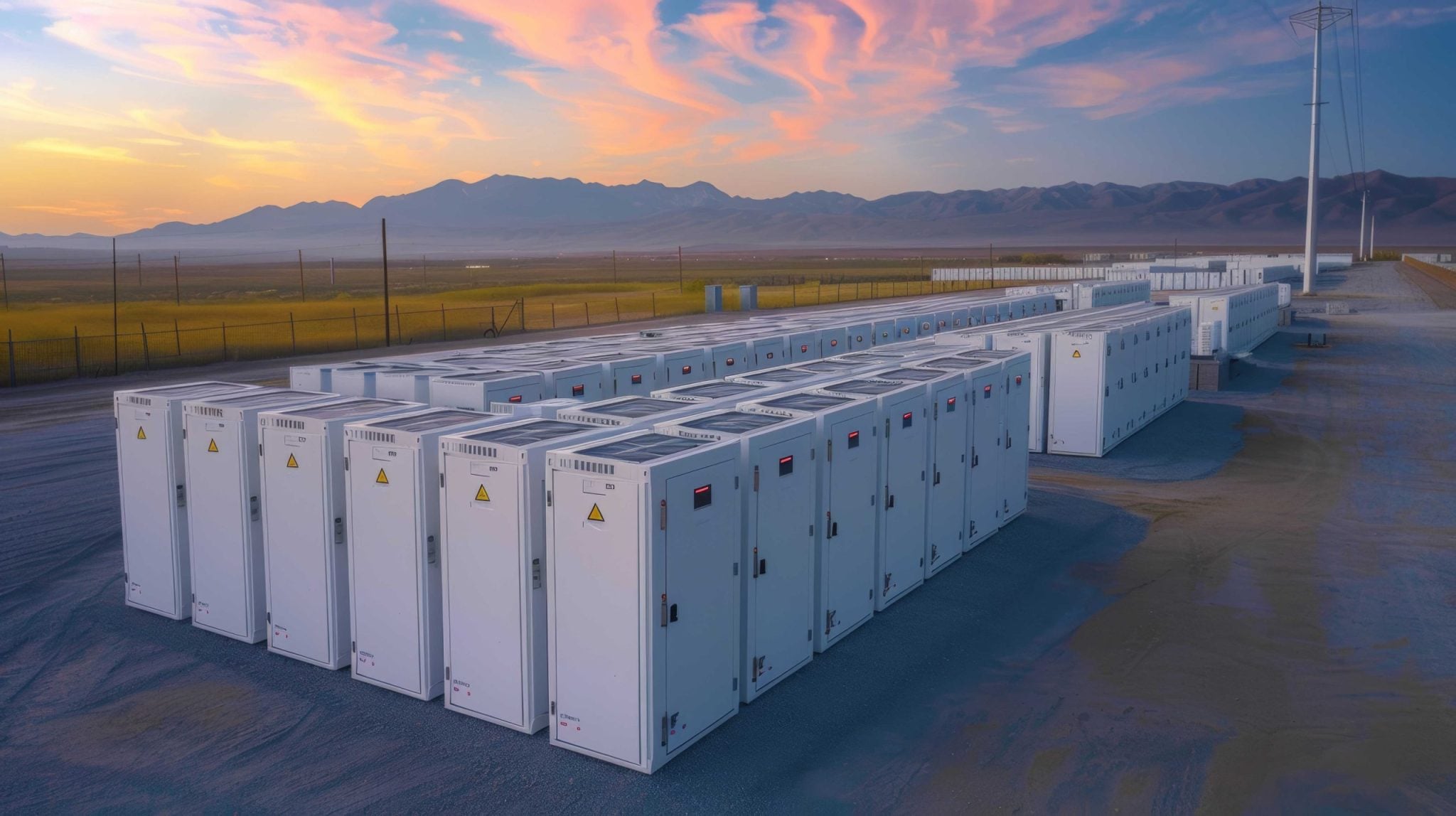
Battery energy storage systems represent a key application of Rapid Risk Assessment, combining digital control systems, physical infrastructure, and interconnected supply chains. As these systems scale, their complexity introduces new dependencies that can impact reliability, resilience, and security.
Interdependent Systems
BESS integrates physical components, digital control systems, and external networks, creating tightly coupled dependencies across the grid.
Operational Criticality
These systems support fast ramping, emergency discharge, and real-time grid balancing, making them essential for reliable energy delivery.
Digital Reliance
Increased reliance on software and control systems introduces cybersecurity risks that can affect system performance and safety.
Supply Chain Exposure
Global sourcing and limited transparency introduce dependencies that can affect system security and long-term resilience.
A detailed analysis of BESS architecture, supply chain dependencies, and risk considerations is available in the full report.
How Rapid Risk Assessment Evaluates Supply Chain Risk
INL employs a systems-of-systems approach to evaluate cybersecurity risks across components within digital energy systems. By assigning cyber criticality scores, this method helps prioritize which components require immediate attention and long-term mitigation strategies, providing a holistic view of supply chain risk across both digital elements and raw materials.
Global energy markets have introduced dependencies on foreign entities for critical components such as inverters and batteries. While these dependencies support technological advancement, they also introduce vulnerabilities related to supply chain disruption and cybersecurity threats. Nearly 100% of battery material and over 70% of power electronic control systems for batteries are produced by the People’s Republic of China.
Potential risks include:
- Introduction of backdoors or security flaws
- Counterfeit components
- Lack of transparency in software origins
- Weak vendor security practices
System-Level Dependency Analysis
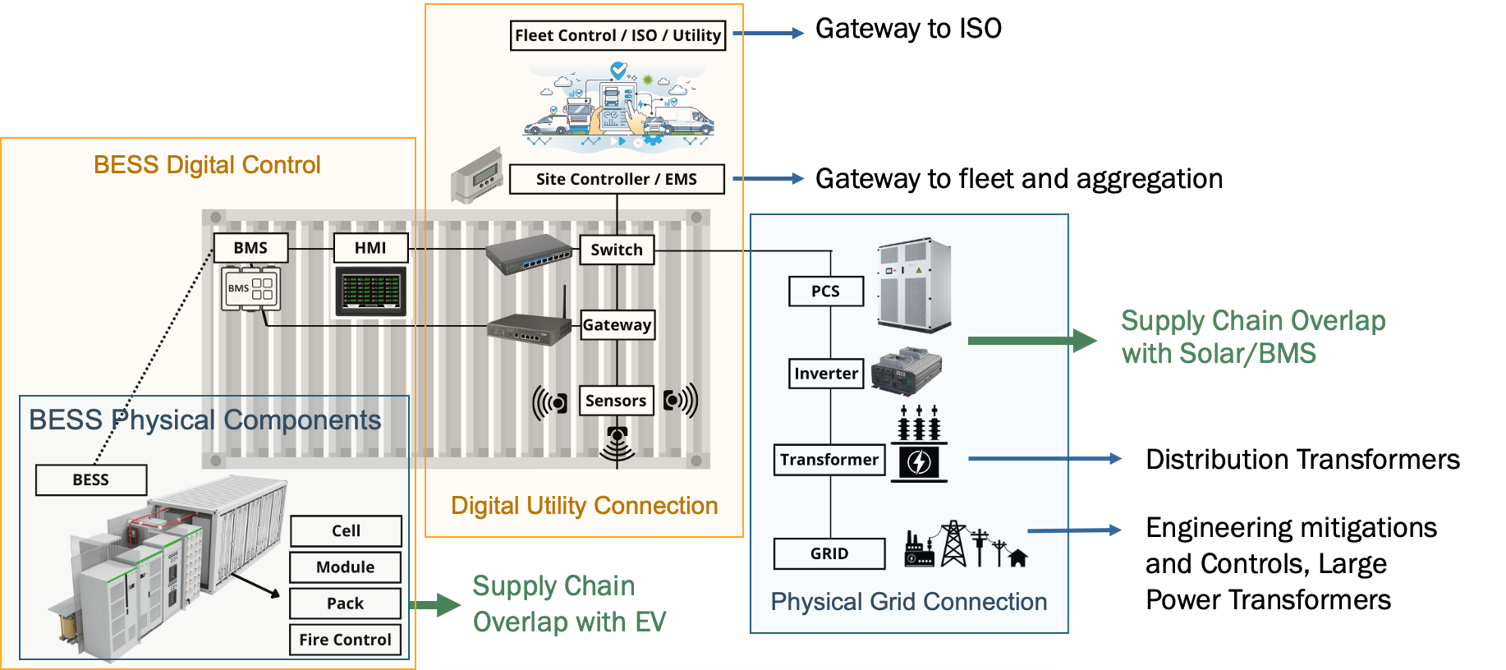
This diagram illustrates how Rapid Risk Assessment evaluates relationships between digital control systems, physical components, and supply chain dependencies to identify potential points of failure and cascading impacts. (Click image to enlarge)
Critical BESS Components and Risk Prioritization
Prioritization and Mitigation
Rapid Risk Assessment assigns cyber criticality scores to BESS components based on their potential impact on system performance, safety, and resilience. This prioritization helps identify which components require immediate attention and which can be addressed through longer-term mitigation strategies.
Refining Risk Prioritization
Consequence analysis further refines this prioritization by evaluating potential impacts and focusing mitigation efforts on reducing the likelihood and severity of worst-case scenarios through Cyber-Informed Engineering principles.
Power Conversion System
Critical to energy conversion and system operation, with dependencies that can impact overall system performance and grid stability.
Battery Management System
Essential for maintaining battery health and safety, while introducing potential risks through reliance on control systems and communication pathways.
Inverters and Site Controllers
Central to system coordination and grid interaction, acting as key control points within BESS architecture.
Mitigating Identified Risks
The Department of Energy (DOE) provides capabilities to address the highest-consequence risks identified through Rapid Risk Assessment, particularly for battery energy storage systems. These efforts support immediate mitigation while contributing to longer-term strategies for strengthening and onshoring critical supply chains.
The risks identified across system components, digital infrastructure, and supply chain dependencies can be addressed through a combination of immediate engineering actions, near-term policy efforts, and long-term supply chain strategies.

Cyber-Informed Engineering Solutions
- Engineering-Based Mitigation
Cyber-Informed Engineering applies engineering controls to reduce the impact of cyberattacks on critical systems.
- Immediate Risk Reduction
These approaches enable organizations to act on high-consequence risks identified through Rapid Risk Assessment and secure systems today.

Policy & Regulatory Solutions
- Oversight and Standards Development
Policy and regulatory efforts improve visibility and control across digital infrastructure through inspections, standards, and coordinated governance.
- System-Level Coordination
These efforts address vulnerabilities identified through Rapid Risk Assessment by aligning stakeholders and strengthening system-wide protections.
Supply Chain Solutions
- Investment Focus
Bipartisan Infrastructure Law investments aim to boost domestic production of advanced batteries and battery materials over the next decade.
- Gap in Coverage
Digital control technologies remain a critical risk area, requiring increased focus to strengthen and onshore supply chain security.
To support mitigation efforts, Cyber-Informed Engineering (CIE) tools such as the Cyber-Informed Engineering Battery Analysis Tool (CIEBAT) enable evaluation of battery system components and identification of high-consequence risks.