
Tools and Applications
Designed to support analysis, planning, and decision-making across modern energy systems.
Addressing Emerging Challenges in Energy Systems
CSDET provides a portfolio of tools and applications designed to support evaluation, planning, and decision-making across modern energy systems. These capabilities span areas including cloud integration, artificial intelligence, and infrastructure resilience, helping utilities and energy stakeholders address emerging challenges.
Explore these capabilities by category:
Tools for Analysis & Implementation
These tools support a range of use cases across modern energy systems, from evaluating cloud integration and AI adoption to modeling system risk and response. Each tool is designed to provide actionable insights that help utilities and energy stakeholders plan, adapt, and operate with greater confidence.
System Planning & Integration
- Tools that support modernization, cloud adoption, and AI readiness.
Cognito
Cognito is an AI readiness tool for utilities and grid operators, supporting evaluation of use cases and organizational preparedness for AI adoption. It helps teams identify where AI can be applied and align implementation with operational and strategic goals.
CIRRUS
CIRRUS is an assessment tool for grid and utility professionals, supporting cloud integration to improve resilience and operational efficiency. It guides teams in preparing for and deploying cloud solutions responsibly.
Resilience & Risk Modeling
- Tools that evaluate system risk and support planning for extreme events and disruptions.
Fragility Curves Library
The Fragility Curve Library is a searchable collection of infrastructure vulnerability models covering natural and man-made hazards. It supports probabilistic risk assessment, loss estimation and resilience planning.
Storm-DEPART
Storm-DEPART is a modeling tool for electric utilities, supporting pre-incident planning and recovery by predicting damage across generation, transmission, distribution, and communications assets. It provides detailed assessments and resource allocation strategies to improve response.
ACCLIMATE
ACCLIMATE is a resilience modeling tool for utilities and infrastructure planners, supporting assessment of risk from extreme weather based on system assets and environmental conditions. It provides tailored analysis of vulnerability, impact, and mitigation strategies to strengthen grid resilience.
All Hazards Analysis (AHA)
AHA is a dependency analysis framework that models how critical infrastructure systems are connected, helping identify risks and potential cascading impacts. It supports decision-making and planning by providing a comprehensive view of infrastructure vulnerabilities before natural or man-made disruptions.
Frameworks & Methodologies
CSDET develops structured approaches to help organizations identify, evaluate, and mitigate risk across modern energy systems. Rapid Risk Assessment (RRA) provides a system-level view of how digital and physical components interact to reveal potential points of failure and their consequences, while Cyber-Informed Engineering (CIE) applies engineering principles to reduce the impact of those high-consequence risks.
Rapid Risk Assessment
Rapid Risk Assessment evaluates how digital and physical components interact across energy systems to identify critical dependencies and potential points of failure. This approach helps prioritize high-consequence risks and informs mitigation strategies across system architecture, supply chains, and operations.
Cyber-Informed Engineering
Cyber-Informed Engineering is a methodology developed by Idaho National Laboratory that integrates cybersecurity into system design. Rather than treating cybersecurity as a separate layer, CIE embeds security considerations into engineering decisions, enabling organizations to identify and reduce risk early. It focuses on critical functions, system architecture, and the consequences of failure to support risk-informed decision-making across energy infrastructure systems.
Access core CIE resources, including foundational guidance, implementation tools, and technical publications that support secure system design.
CIE Approach
Concise summary of CIE principles, approach, and impact, including how cybersecurity is integrated into system design.
CIE Knowledge Hub
Central hub for applying CIE, with guidance, tools, and implementation resources for secure system design.
CIE Resource Library
Collection of publications and technical resources supporting adoption of CIE across infrastructure systems.
Apply CIE with Open-Source Tools
CIE is supported by open-source tools that help apply these methods to real-world systems and scenarios:
CIE EC Database
Database of engineered control concepts to reduce the operational consequences of cyber compromise.
For engineers, system designers, and asset owners.
CIEMAT
Engineering analysis tool for identifying microgrid system design controls that reduce the impact of cyberattacks.
For microgrid system owners and operators.
CIEBAT
Analytical tool for evaluating BESS architectures and identifying controls to mitigate cyber-induced risks.
For battery system owners and operators.
Supporting Insights
These insights provide deeper technical analysis of energy technologies and system components, helping inform the tools and frameworks used for planning, evaluation, and decision-making across modern energy systems.
Firmware Analysis for DER Products
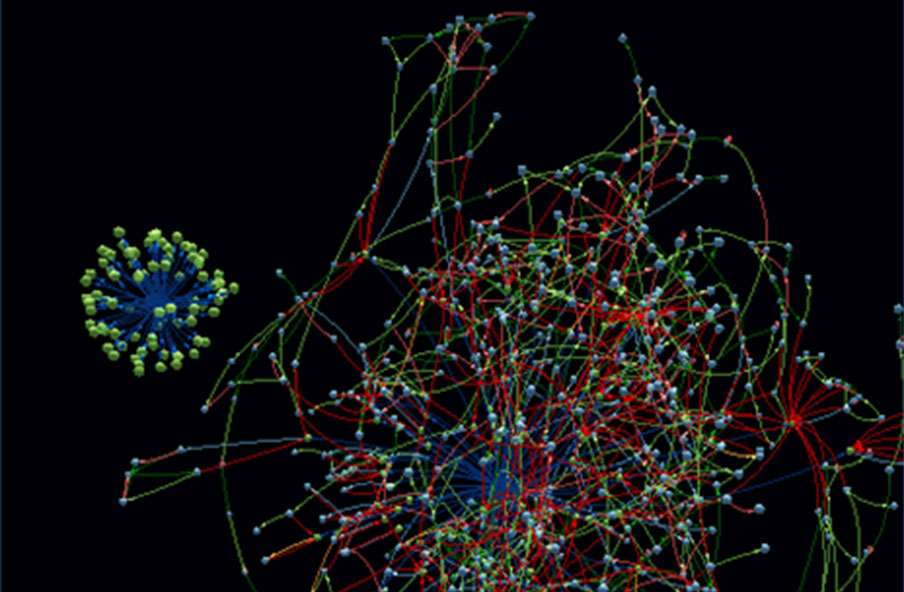
The Annotated Translated Disassembled Code (@DisCo), developed at INL through the DOE-CESER–funded Firmware Indicator Translation (FIT) project, enables reverse engineering of firmware at scale.
This capability provides insight into how firmware behaves within DER products such as inverters, converters, and DERMS platforms, helping to identify vulnerabilities and improve understanding of device-level cybersecurity risks.
Reducing Wildfire Risk on the Grid
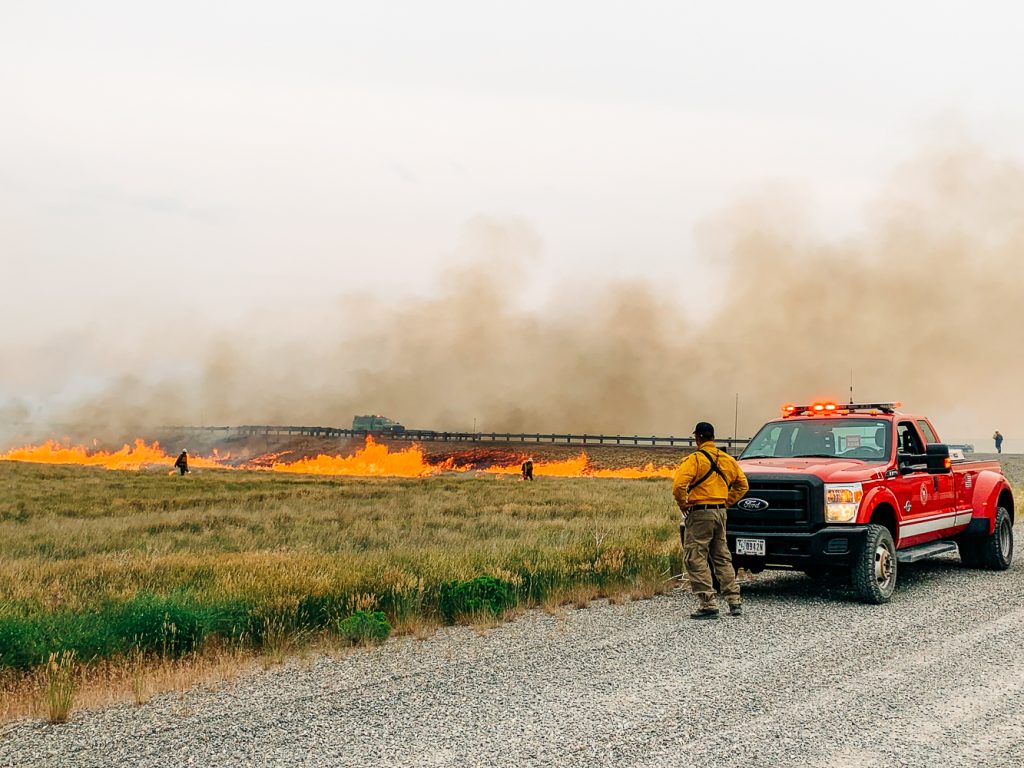
Wildfires caused $106 billion in damages and 369 deaths from 2014–2023, with grid-related fires responsible for less than 10% of incidents but up to 90% of fatalities. These findings highlight the disproportionate impact of grid-related faults and the need for improved detection and prevention.
At INL’s CITRC site, large-scale testing of wildfire-causing faults—such as conductor slapping, ground contact, and equipment failures—generates real-world data to better understand how these events occur. This work supports the development of the Grid Event Signature Library (GESL), a growing repository of fault signatures used by utilities, vendors, and researchers to improve wildfire risk detection and prevention.